


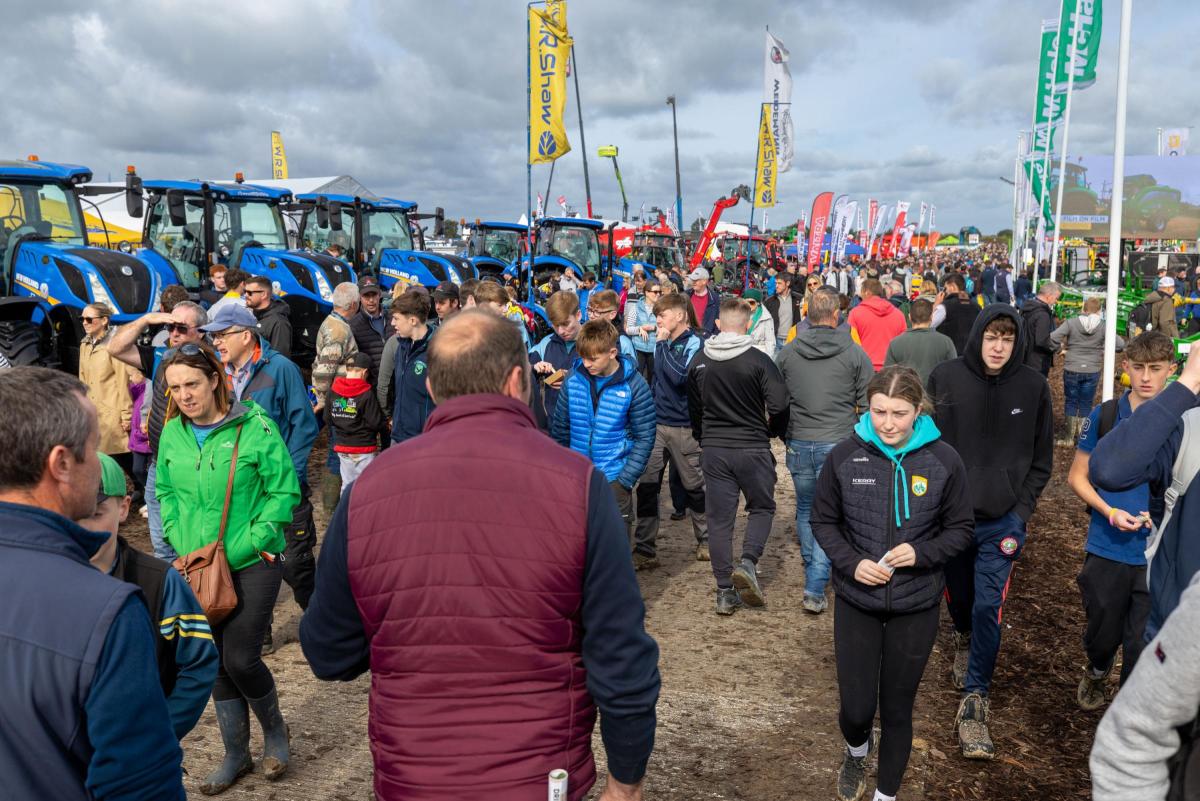

Irish cattle farmers embraced the positive margins in 2025 to grow the national suckler herd, but many now feel exposed to rising costs and dropping returns, according to comments made at last week’s National Ploughing Championship in Tullamore, Ireland.
While much of the policy debate across Europe centres on reducing livestock numbers, the opposite is happening south of the border.
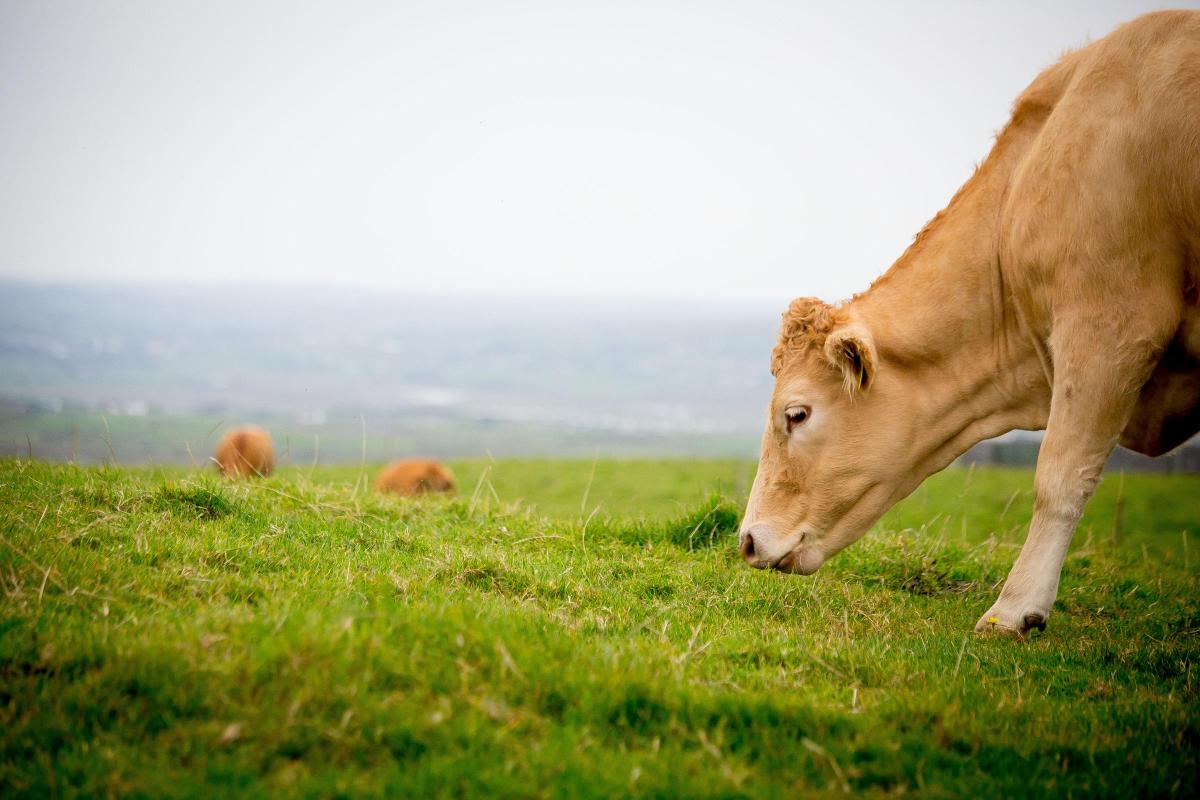
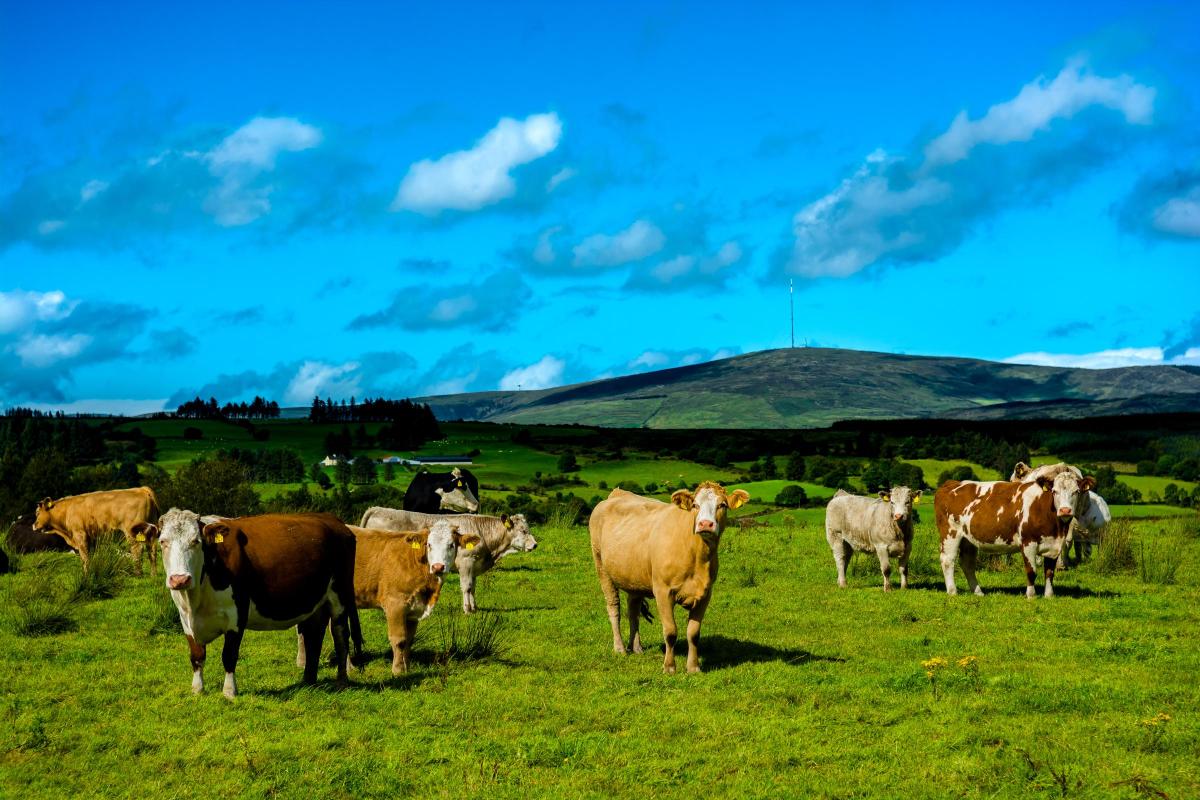
The Irish suckler herd increased by 18,956 cows between July 2025 and July 2026, taking the national herd to around 745,000 head, roughly double the size of Scotland’s beef cow population.
The increase appears to have been a reaction to stronger prices in 2025 with farmers retaining more replacement heifers and culling fewer cows.

Beef calf registrations during the first eight months of 2026 were up 3.9%, while the beef kill fell 3.7% to 1.08 million cattle.
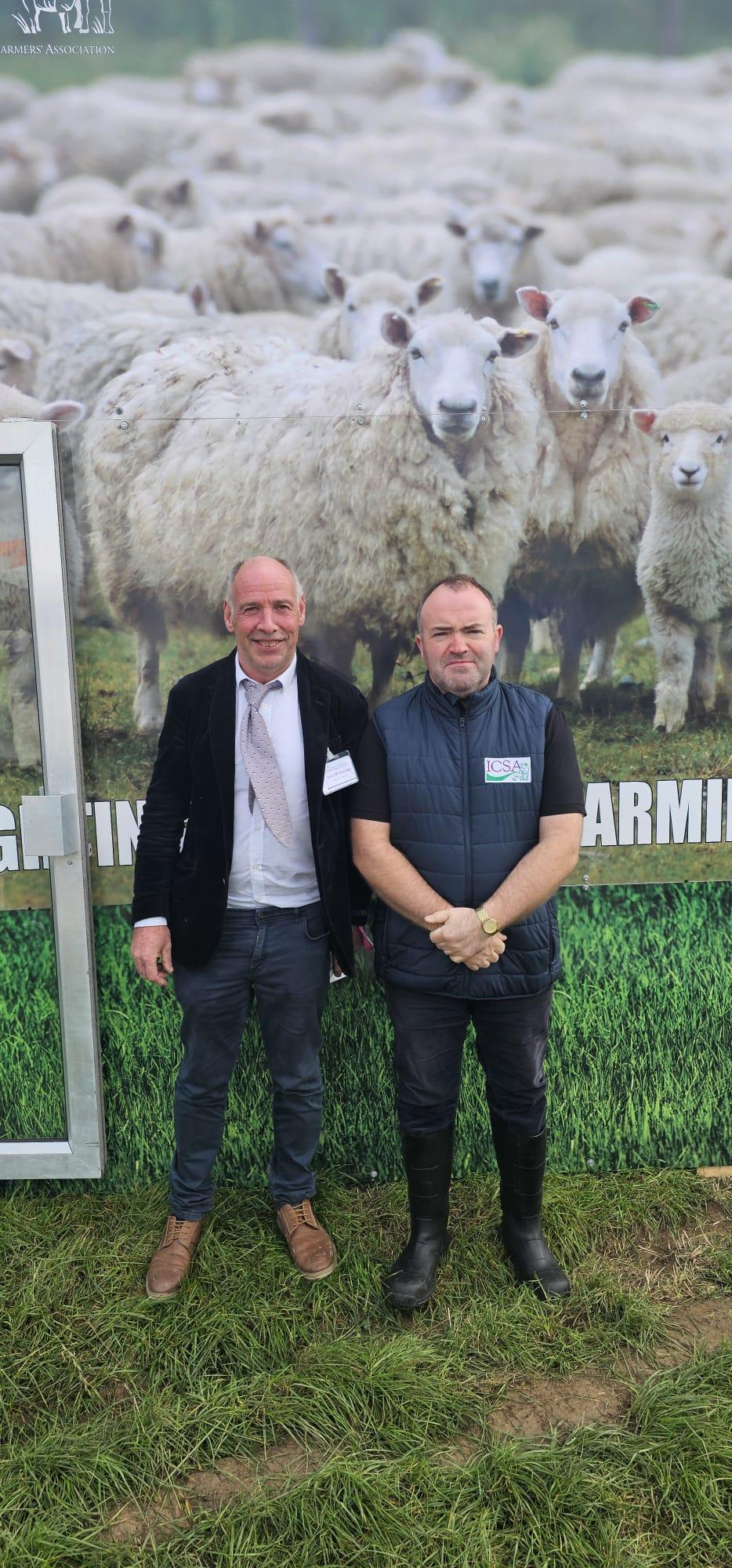
However, the mood of beef farmers is beginning to sour as Seán McNamara, president of the Irish Cattle and Sheep Farmers’ Association (ICSA), explained to The Scottish Farmer at Tullamore.
“Our inputs have gone up by at least 30% this year.
Our outputs are back, and our prices are back in Europe again,” he said.
“For a 400kg animal, your man is back €400. So we’re down that €400, and we’re up 30% in our input costs.
“Last year we did make a bit but this year it’s totally wiped out. All we made last year, totally wiped out.”
His comments broadly mirror wider economic trends.
Irish agricultural output prices have fallen sharply from 2025 levels while fertiliser and fuel costs remain significantly higher than a year ago.
More News
-
Mercosur deal takes effect as EU sidesteps parliament and farm fears
-
IFA protests Bord Bia decision to retain chair amid Brazilian beef row
-
Irish farmers raise alarm over Brazilian beef standards amid EU-Mercosur deal

Although cattle prices and drought were major talking points, the issue generating the greatest anger among farmers was fuel taxation.
“The number one thing is to get rid of the carbon tax,” said Mr McNamara.
“Our biggest issue at the moment is diesel. Diesel is having a serious effect on our farms at the moment.The diesel is not going to affect just one thing.
“It’s the cost of machinery, parts, everything. There’s a myriad of things that the diesel affects.”
The ICSA arrived at the Ploughing Championships with a lengthy list of demands for Government, many of them directly linked to protecting food production and farm profitability.
Its headline asks include:
• An inflation-linked CAP budget rather than further cuts.
• CAP support targeted at food production.
• Full use of allocated farm support funds.
• Emergency support for farmers affected by drought.
• Abolition of carbon tax on fuel.
• Reduction of VAT to 4.8%.
• Measures to improve cashflow for farms.
• Generational renewal support.
• Continued funding for beef and sheep support schemes.

The organisation is also seeking support through European crisis funds to offset the potential impact of the Carbon Border Adjustment Mechanism (CBAM) on fertiliser prices.
Mr McNamara argued support measures need to be in place before problems escalate.
“There’s no point looking for a package when the problem is there,” he said.
“It should be in place in case it’s needed. There’s no point getting the bandage after the problem has happened.”
Drought adds pressure
Like many parts of Britain, large areas of Ireland have experienced a difficult growing season. The fodder situation was repeatedly raised by farmers attending the event, with grass growth significantly affected during the summer.
Industry bodies have already warned of reduced fodder stocks heading into winter in several regions.
Mr McNamara said concern remained over the availability and movement of fodder supplies.
“The big problem we have here now is that some fodder and straw is going to the UK.”
The ICSA has included direct drought support among its key demands from Government. Perhaps the strongest message from the ICSA president was the growing frustration among farmers. Asked whether Government action would be sufficient, he warned that patience was running out.
“People are not going to put up with this anymore.” It’s going to be a serious protest.”
While he stopped short of predicting exactly what form demonstrations might take, he said further farmer protests were likely.
“It’s going to happen, yeah.”


Share