



A proposed partnership between the Scottish Fire and Rescue Service (SFRS) and a volunteer wildfire response unit remains unsigned, leaving trained teams unable to support firefighting efforts.
Highland Wildfire Response (HWR), a non-profit organisation piloting volunteer wildfire units in the Great Glen and Easter Ross, has said that the lack of a formal agreement means its volunteers cannot safely be deployed alongside fire crews due to insurance and liability issues.
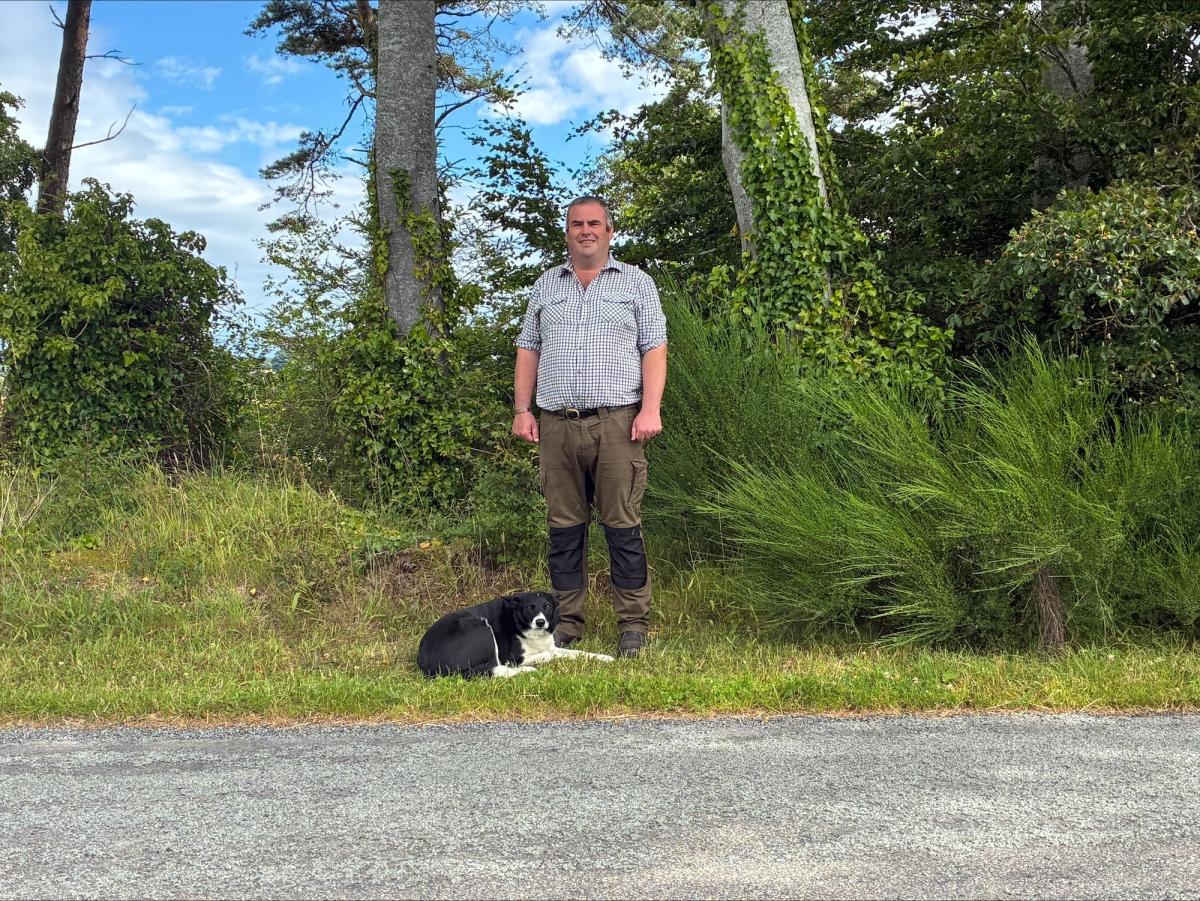
John Mackenzie, HWR co-founder, said: "We're not asking for anything unusual, and we're certainly not asking for anything untested.
"Mountain rescue already operate this way in Scotland.

"North Yorkshire Fire and Rescue Service is currently formalising exactly this kind of partnership with a comparable volunteer wildfire unit in England.
"We've built a model that directly answers the recommendations made after last year's record-breaking Dava fire, and it's already aligned with the Scottish Government's own 2026 Strategic Action Plan on Wildfires and the concept of mountain rescue-style units having been mentioned in Parliament by the Agriculture Minister on November 11, 2025.
"This isn't a radical idea.
"It's already working elsewhere in the UK and overseas in Spain, Portugal, the US, and Australia to name a few.
"What we need now is common sense to prevail and some collaboration from SFRS to deliver it."
HWR has been working on the plan since February, following a meeting at SFRS headquarters in Inverness.
The draft agreement, a memorandum of understanding (MOU), would clarify protocols, training standards, and insurance arrangements.
However, HWR says it was advised not to submit the MOU as SFRS leadership in the Highland region "dismissed the concept and indicated there was no appetite to discuss it."
Mr Mackenzie, a 20-year veteran of the SFRS who attended the Cannich and Lochinver wildfires, said without the agreement, HWR cannot secure insurance, operational cover, or further funding.
This means the pilot units cannot be deployed in the role they were created for.
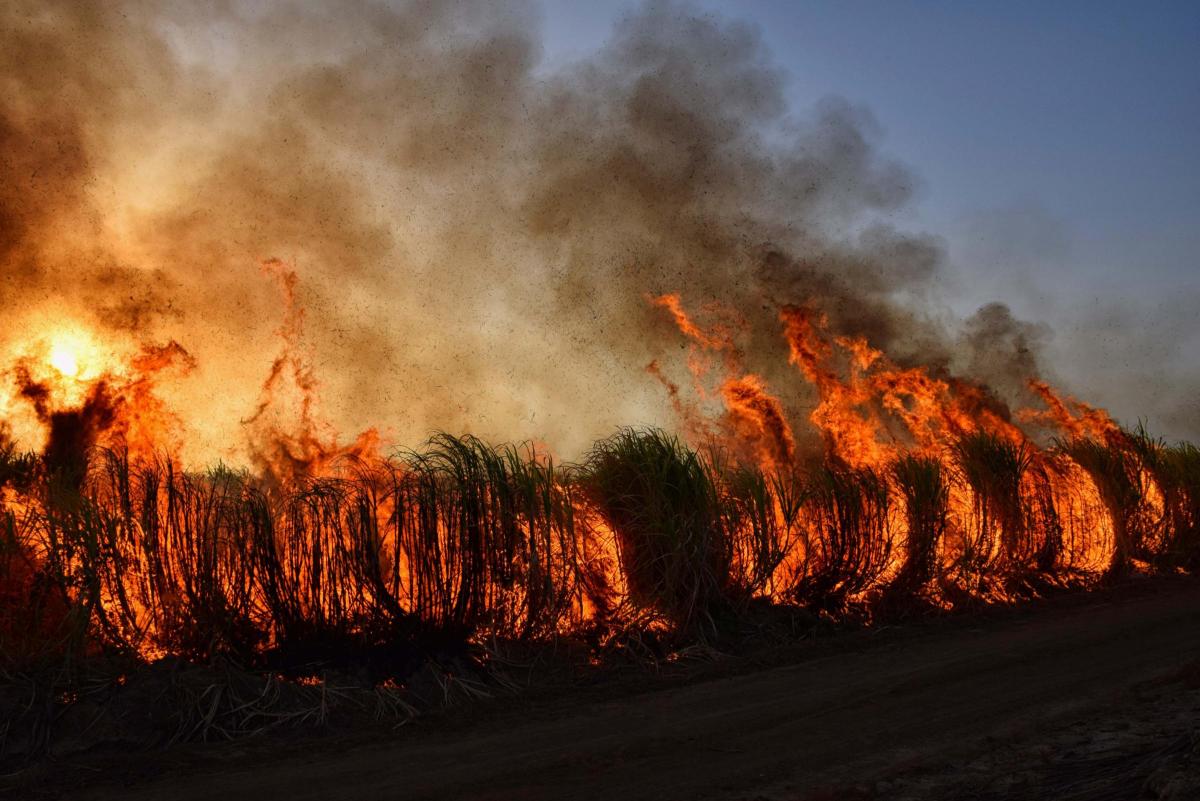
HWR argues that its model mirrors those used elsewhere and directly answers recommendations from a report into last year’s Dava wildfire, Scotland’s largest recorded fire.

The group stresses it does not seek to replace SFRS but to offer trained, insured support from within local communities to contain wildfires before they escalate.
Volunteers are often called to assist wildfires without personal protective equipment or insurance.
Mr Mackenzie said the lack of a formal structure puts volunteers at financial risk and leaves gaps in wildfire resilience.
Mr Mackenzie said: "Retained crews are rarely equipped for wildfire specifically, and are often called out in structural firefighting kit that is exhausting to work in under wildfire conditions, with heat exhaustion a common consequence.
"The pressure that retained crews are under when balancing their full-time employment obligations and trying to balance rest in between both that and being on call is immense."
He warned that diverting rural crews to distant wildfire incidents risks leaving other communities without cover.
Mr Mackenzie said: "The wider cost has also become clear during the current fire: pulling rural retained crews to fight a wildfire they are not equipped for draws them away from the communities they joined to protect, leaving parts of the Highlands with only distant cover for the duration.
"Even Inverness, the Highland capital, has had to rely on appliances from up to 60 miles away during a recent incident at Inverness Campus."
HWR says its proposed volunteer scheme would strengthen community resilience and reduce pressure on professional fire crews by enabling a safer, faster initial response to wildfire outbreaks.
The lack of progress on formalising the partnership comes amid ongoing wildfire incidents in the Cairngorms, the second major event in just over a year.
These include last year’s Dava fire, which stretched statutory resources well beyond their limit.
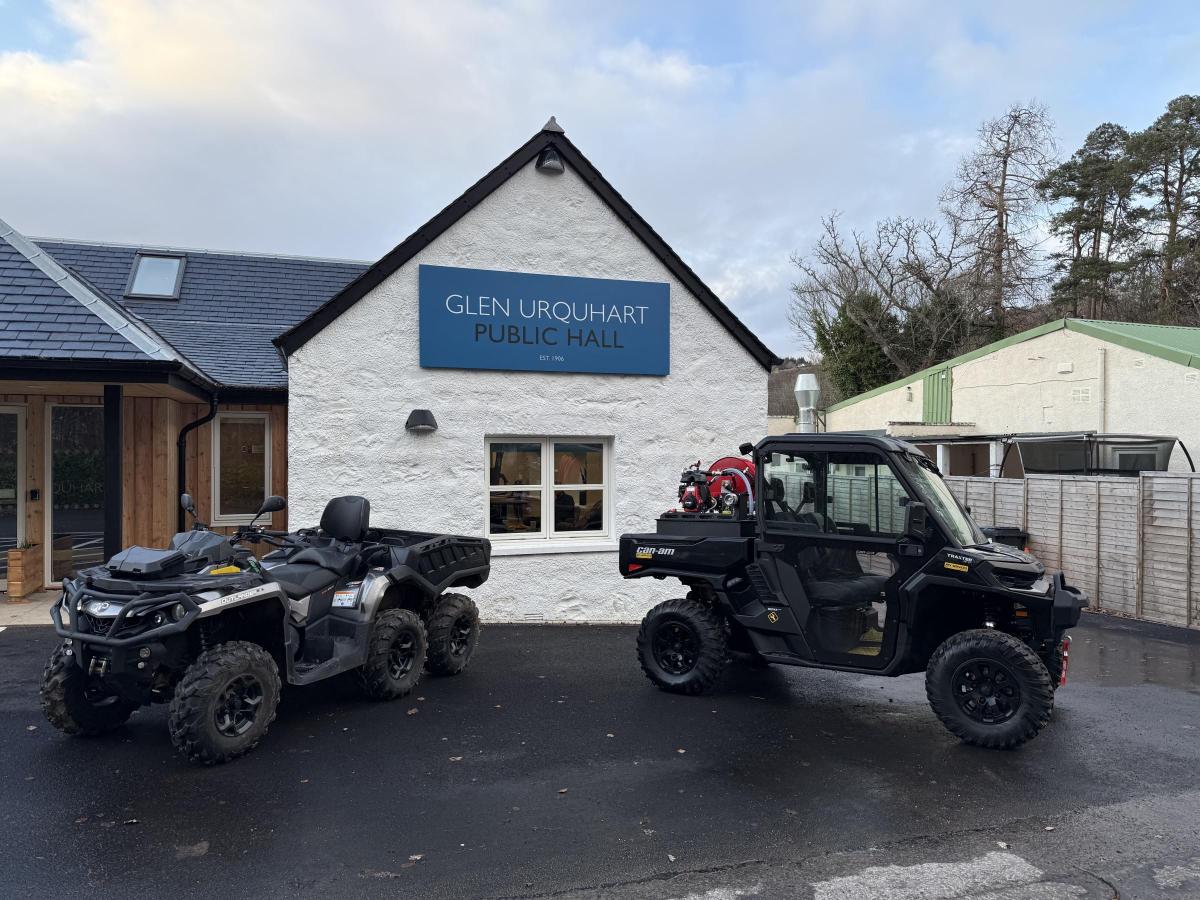
HWR says its pilot units are ready for deployment but are held back by the lack of an agreement with SFRS.
The organisation continues to request a meeting with the SFRS chief officer responsible for wildfire response in order to move the partnership forward.
HWR remains committed to a 'collaborative, professional partnership that serves the Highlands and beyond'.


Share